
It takes a lot of execution to battle through a long season and hoist the national championship trophy. While spectators all have different opinions of what drives a championship-caliber team in softball, great pitching is at the top or should be. On the flip side, a team should possess enough offensive production to complement said pitching staff.
The Tennessee Lady Vols almost pulled off what would have been a great feat in my eyes. They were just one win away from reaching the national championship series in Oklahoma City. What is statistically noticeable, of course, is their top pitching staff in the country carried them there.
Tennessee finished the season as the No. 1-ranked staff with an ERA of 1.47 and a BAA of .154. That staff was anchored by three of the best arms in the country in Erin Nuwer, Sage Mardjetko and Karlyn Pickens, and the defense behind them was solid, often keeping teams from scoring.
Tennessee stranded 84.3 percent of the runners who reached base against them, showing that even when teams got on, they struggled to bring runners in. That showed heavily in their nine-inning win over Texas Tech at the Women’s College World Series and during the two-game sweep of Georgia in the Knoxville Super Regional.
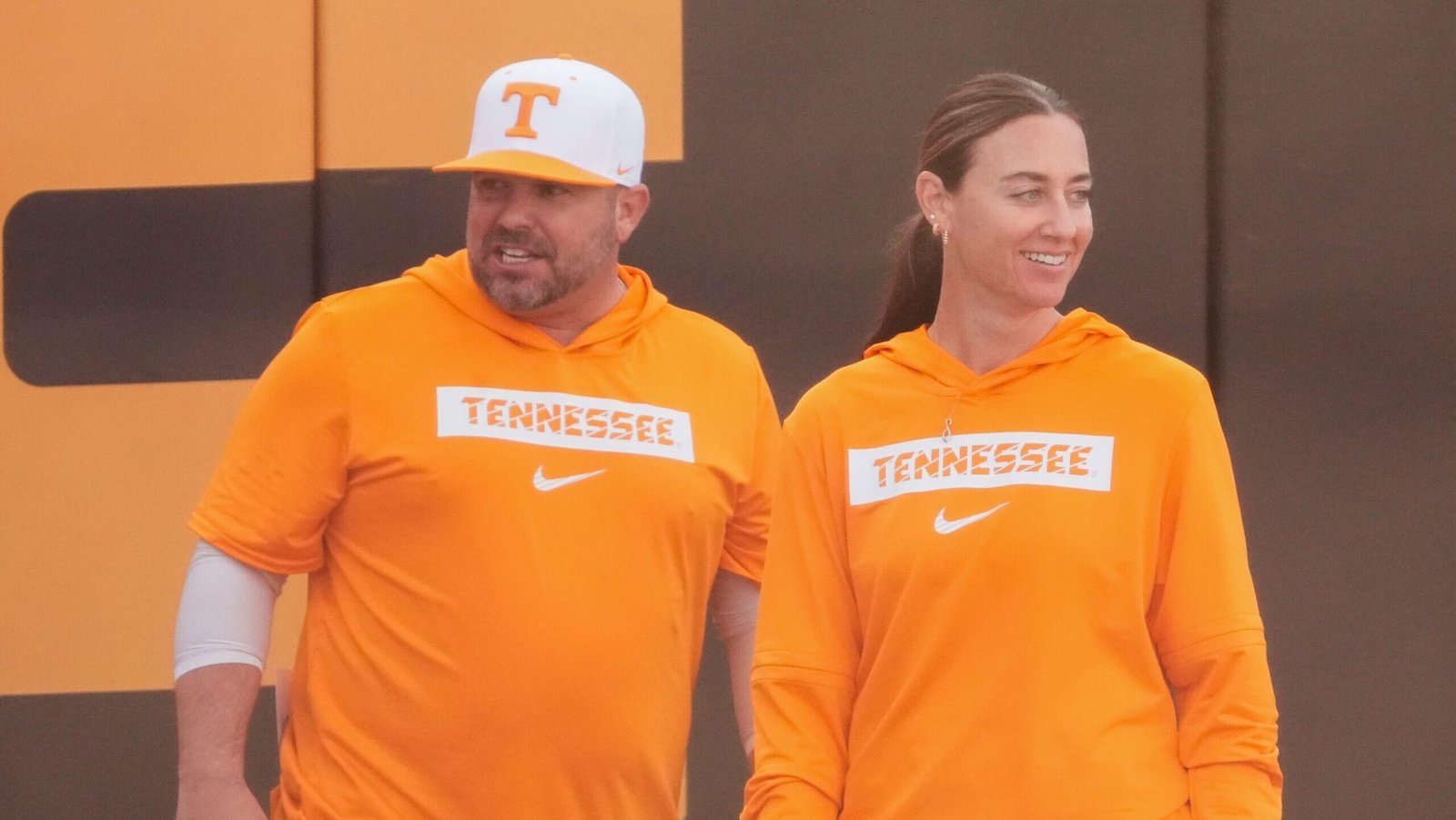
“You know, offense sells tickets, but pitching and defense wins games,” Karen Weekly said after the super regional win over Georgia. “And if you don’t have great pitching, it all starts in the circle. That’s why they call this game fastpitch. Ralph said for many years, they don’t call it fast hit, they don’t call it fast run or fast field, they call it fastpitch.”
All of that is true, and as longtime and well-accomplished coaches in the game of softball who have built programs, there is no argument or doubt there.
However, the Lady Vols nearly reached the championship series on the strength of a top pitching staff. Their offense, while better than its national batting average rank of 187th, never quite matched the dominance of that staff.
The deeper numbers paint a solid lineup, one that paired power with patience and finished 18 percent better than the national average by weighted runs created plus. Sophia Knight, whom Weekly called steady, set the table well all season, hitting .400 with a .448 on-base percentage out of the leadoff spot.
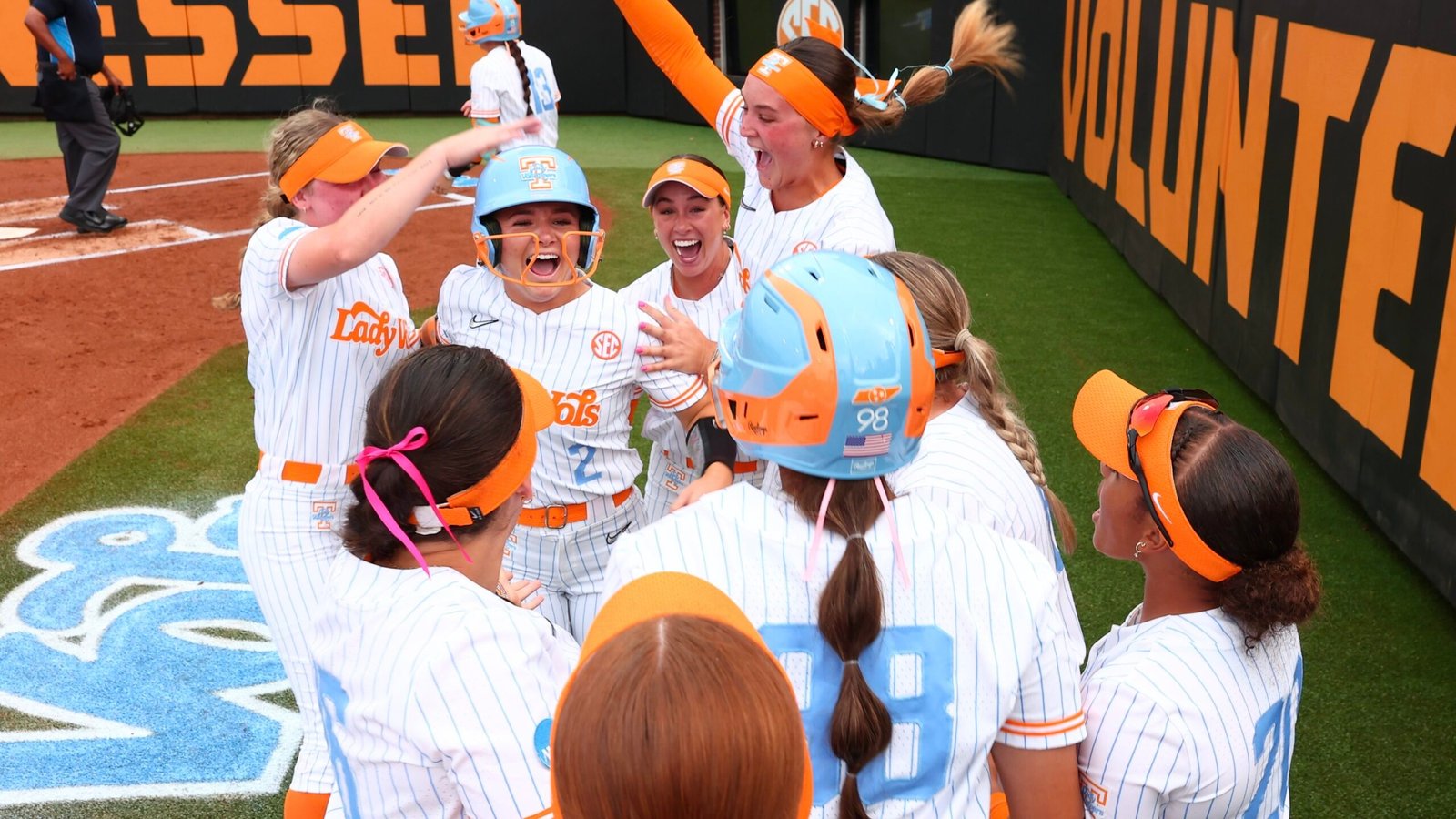
Tennessee thrives off aggressiveness at the plate, and that was noticeable in some of the home runs hit, such as Elsa Morrison’s home run against Texas in the first game of the Women’s College World Series.
The trouble was not the talent; it was the execution, or maybe even luck. A .290 batting average on balls in play meant too much hard contact found gloves instead of grass, and too often this offense fell into a runners-left-on issue.
Things like that keep the pressure on the other side of the ball, leaving the offense to come through later. While the batting average alone does not tell the whole story of this team offensively, it does point to a lineup that had the pieces but could not always execute to complement that elite staff the way a title run demands.
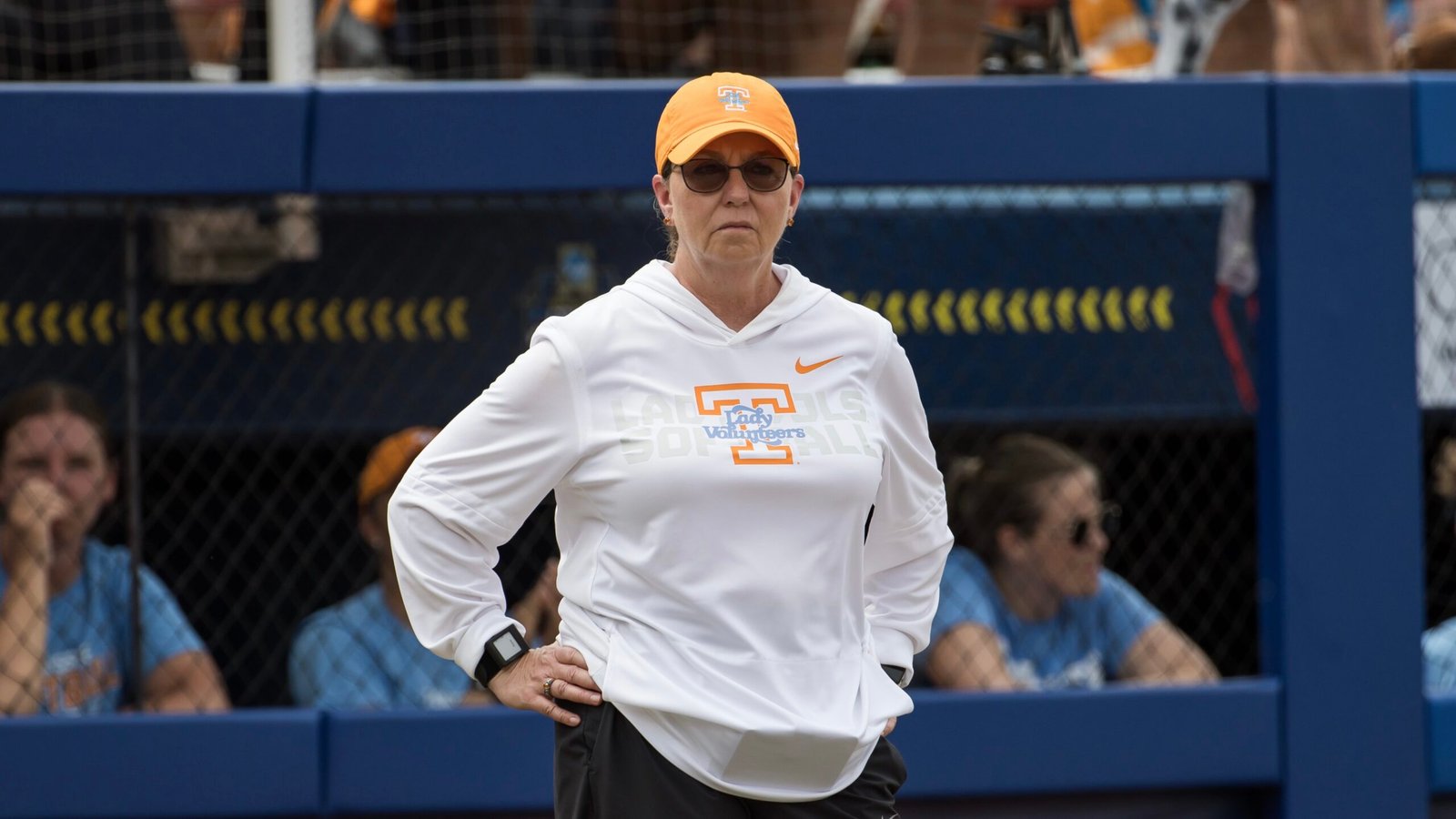
After the loss to Texas, Weekly put the offensive struggles on herself.
“I thought we got a little bit frustrated at times, and that took us out of some at-bats. We were chasing things out of the zone and then taking things in the zone, which usually stems from you’re kind of overthinking things and getting a little bit frustrated,” Weekly said. “Ultimately, it falls on my shoulders, and I take responsibility for it.”
For proof, look no further than the team that finished the job. Texas beat Tennessee twice on Semifinal Monday and went on to win the national championship.
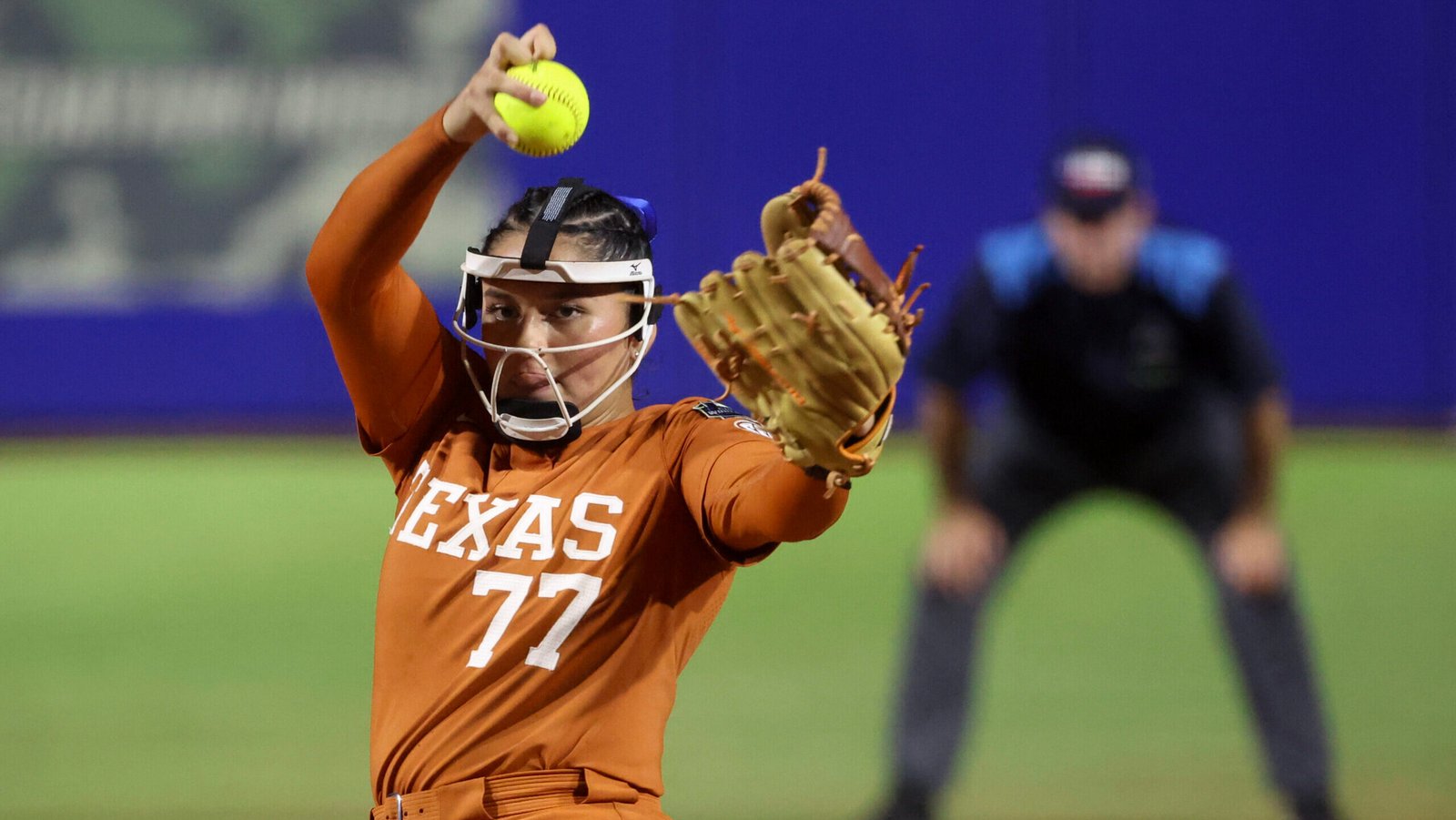
Over the full season, the Longhorns did it with more of a balanced approach to complement their arms. They hit .334 as a team, ranked 25th nationally to Tennessee’s 187th, with a 141 weighted runs created plus mark to the Lady Vols’ 118 and a .347 average on balls in play to Tennessee’s .290. Same blueprint of power and patience, but Texas got the timely hits Tennessee did not.
When it mattered most, though, the Longhorns got both. Citlaly Gutierrez and Teagan Kavan pitched tremendously across the two games, shutting Tennessee down and giving that lineup all the room it needed. The Lady Vols, true to the season’s pattern, could not string together enough to overcome them.
So where does that leave the Lady Vols? Right on the line that separates a great team from a champion. The staff did everything asked of it and then some, and the bats had the talent to match, but not always the execution to finish the deal.
That gap may be exactly what stood between them and the final series in Oklahoma City. Tennessee proved a team can ride elite pitching into June. What it could not prove, and what Texas did, is that when two great staffs meet, it is the offense that breaks the tie.
A little forward thinking: With all that Tennessee has returning, even with Pickens’ departure to the professional ranks, this is a team that can place itself with another major opportunity next season. Outside of a third arm in the circle, I look for the focus going into the fall to be on offensive execution.
All stats used in this piece were pulled from D1Softball.com