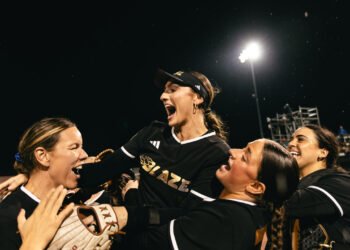

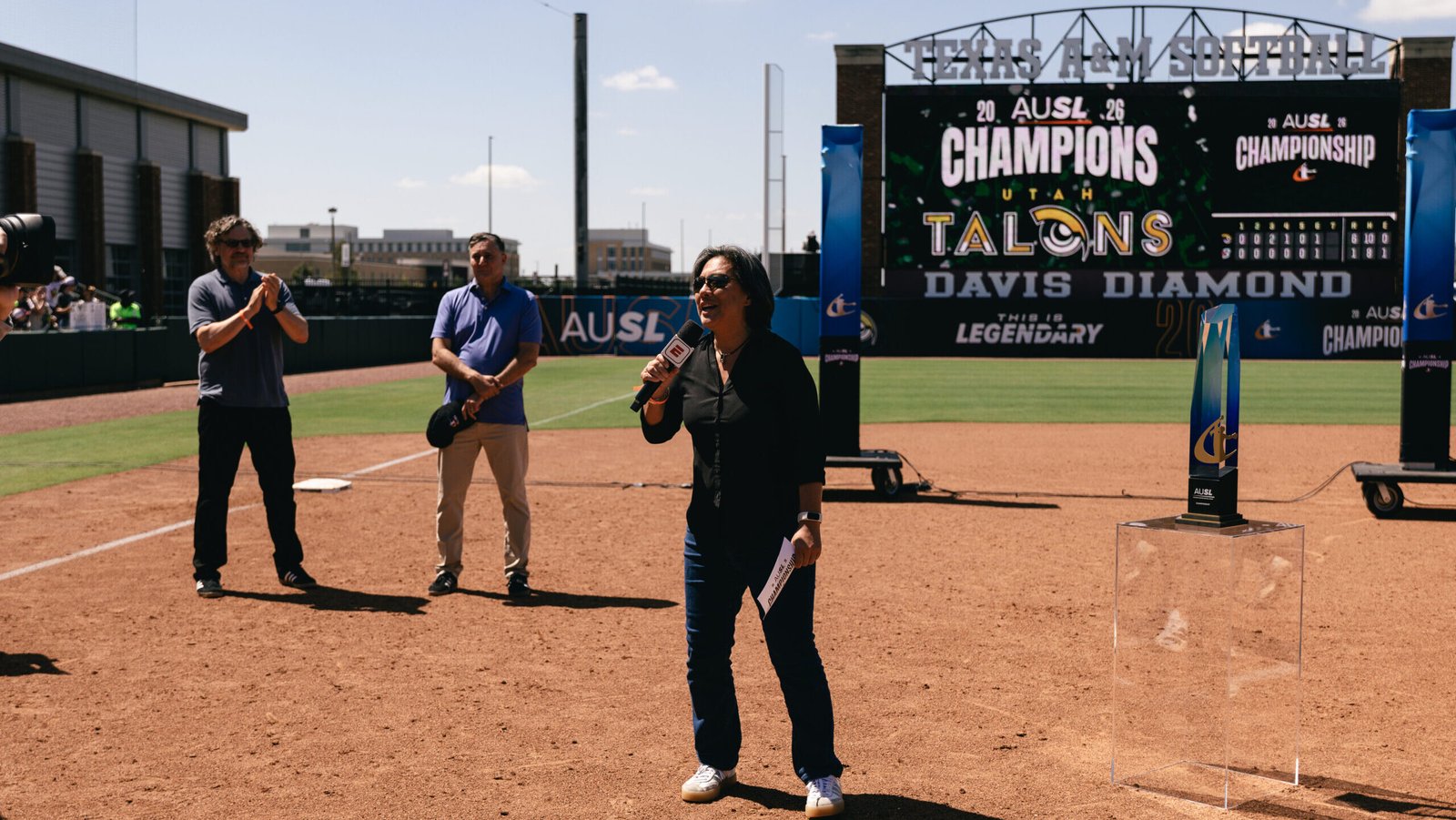
Athletes Unlimited Softball League just wrapped up its second season, with the Utah Talons as repeat champions. I’ve covered this league in depth for both seasons of its existence, and I can say that it is the present and the future.
Of course things take time to strengthen and become more. That’s the whole meaning of the word growth. While some fans can be impatient and critical of things here and there, just know that the plan is to grow smart and make this the sustainable pro softball league that women deserve. Everyone I talk to behind the scenes believes that the AUSL finally has it right.
I’m not going to pretend it’s all the way there. Six teams is a small league, the 25-game season is short, and some of the league’s best players miss the opening weeks while they’re finishing up overseas. Those are fair concerns, and I hear them from fans all the time. But they’re the same concerns the people running this league are well aware of.
I heard it plainly from Texas Volts general manager Cat Osterman last week. Osterman played in pro leagues that came before this one, so when she talks about pace and patience, it carries the weight of someone who has watched softball try this before. Ask her about expansion, and she does not reach for the fast answer.
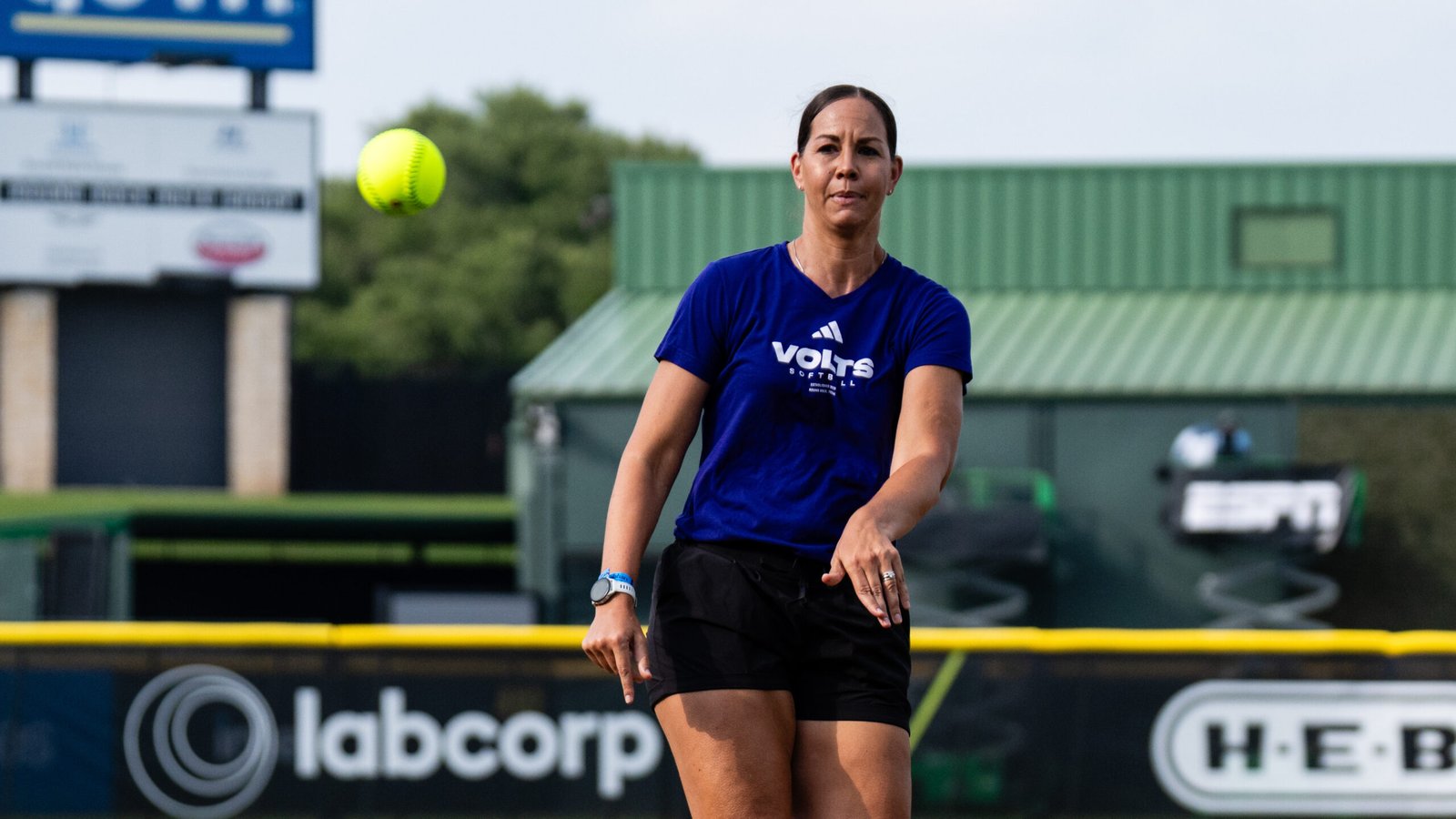
“I think all of us at some point would like to see it to eight to 10 teams,” Osterman said. “I also know growth can’t happen overnight, so we probably have to stay at six for a little bit.”
There have been several attempts before this, and others that claim to have things figured out, but this is about more than just providing a playing opportunity for players to take part in. This is about growing something that will last for generations to come. Something that my seven-year-old can aspire to take part in years down the road if she wants to.
Bandits head coach Shonda Stanton spoke after her team came up short in the championship series and still found the bigger picture. She talked about what she would carry back to her college players at Indiana and other things, but one of the things she mentioned was how the game is the same for everyone. It doesn’t matter the age.
“Whether you’re that seven-year-old Little Leaguer or those vets that are a little bit older, a little bit wiser, and everybody in between, you’re playing the same game,” Stanton said. “And what really matters is how you show up in that space and how you show up for each other.”
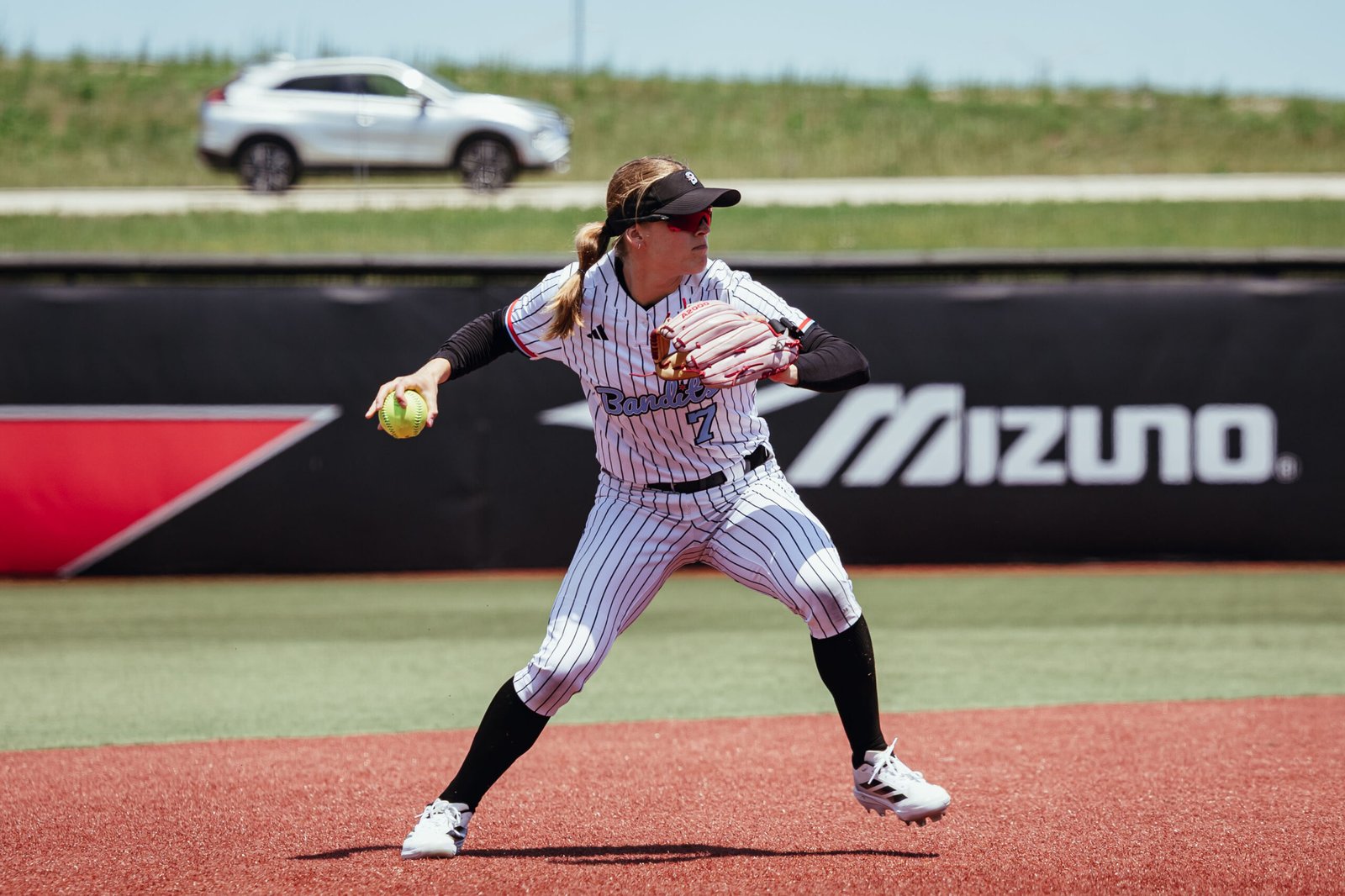
My daughter and Sami Williams are playing the same game. While it is much tougher for Williams than for my daughter, the point is that she can look up to a Williams or a Montana Fouts. This game keeps giving.
This is also about making sure the players, coaches and everyone involved are treated and taken care of the way professionals should be. Whether it’s proper travel, training, medical attention or whatever the case, I have yet to hear a player or coach say that the AUSL doesn’t give them what they need.
Then there’s the visual evidence that we all see. Stadiums are sold out everywhere there’s AUSL softball played. While attending the AUSL Championship Series in College Station, Texas, fans were all in. It didn’t matter if it was almost 100 degrees outside for the champ series or raining during the play-in game. Fans were bought in.
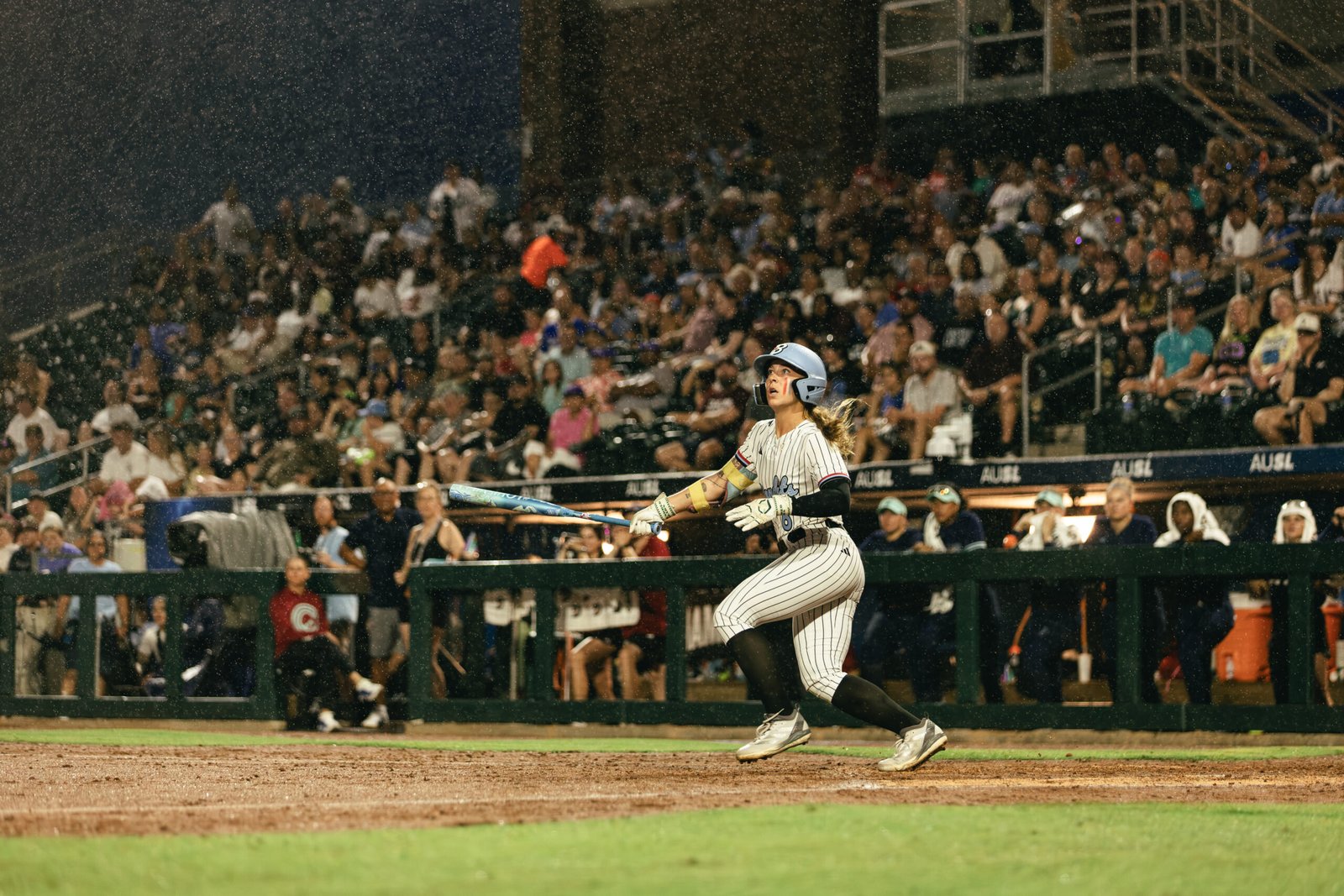
Talons veteran Hannah Flippen has watched that growth from the inside over a decade in the game. When she talks about the league picking championship sites now, the problem is a good one to have. The venues on the list keep getting crossed off for being too small.
“We talked about where else would we wanna play this AUSL championship, and we rattled off some places, and it’s like, ‘Ah, not big enough, not big enough. It doesn’t hold enough people,'” Flippen said. “How cool is that, that we’re needing bigger stadiums to fill the seats?”
The crowds are not just showing up in person. Game 1 of the championship series aired on ABC, the first time pro softball reached that stage. Stanton, who has been around the sport long enough to know what real investment looks like, did not treat the moment as a favor handed down.
“ABC showing up, that’s not charity,” Stanton said. “They believe in what Kim, and everybody that’s involved, Cheri Kempf, the founders, what they have done for softball, they believe softball is a promotional asset. Okay? They believe in the product. They believe in these women.”
I saw that same belief up close on Friday night. I had the chance to attend the inaugural AUSL Awards reception, where I met the people who make this league go: AUSL Commissioner Kim Ng, Athletes Unlimited Co-Founder and CEO Jon Patricof, Cheri Kempf and others. It was a chance for me to look these people in the eyes and hear, in their own words, what this league is and what it is becoming. Every one of them wants the same thing, to keep this on a strong path and do it the right way.
Stanton said it as well as anyone, and she said it on the toughest day of her season.
“They’ve done it the right way,” Stanton said. “You gotta have a strong foundation.”
That foundation is why I keep saying it. The AUSL is not a hopeful experiment. It is the present and the future of professional softball. Build it right and it lasts. They’re building it right.