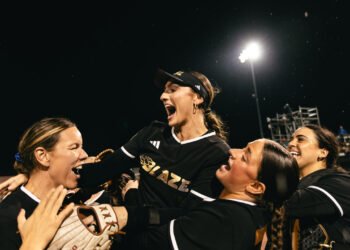

With the 2026 AUSL season now over, the focus turns toward 2027. There’s no doubt that the Utah Talons will go into next season as the early favorite to three-peat. But who other than the Chicago Bandits will challenge them for next season’s championship?
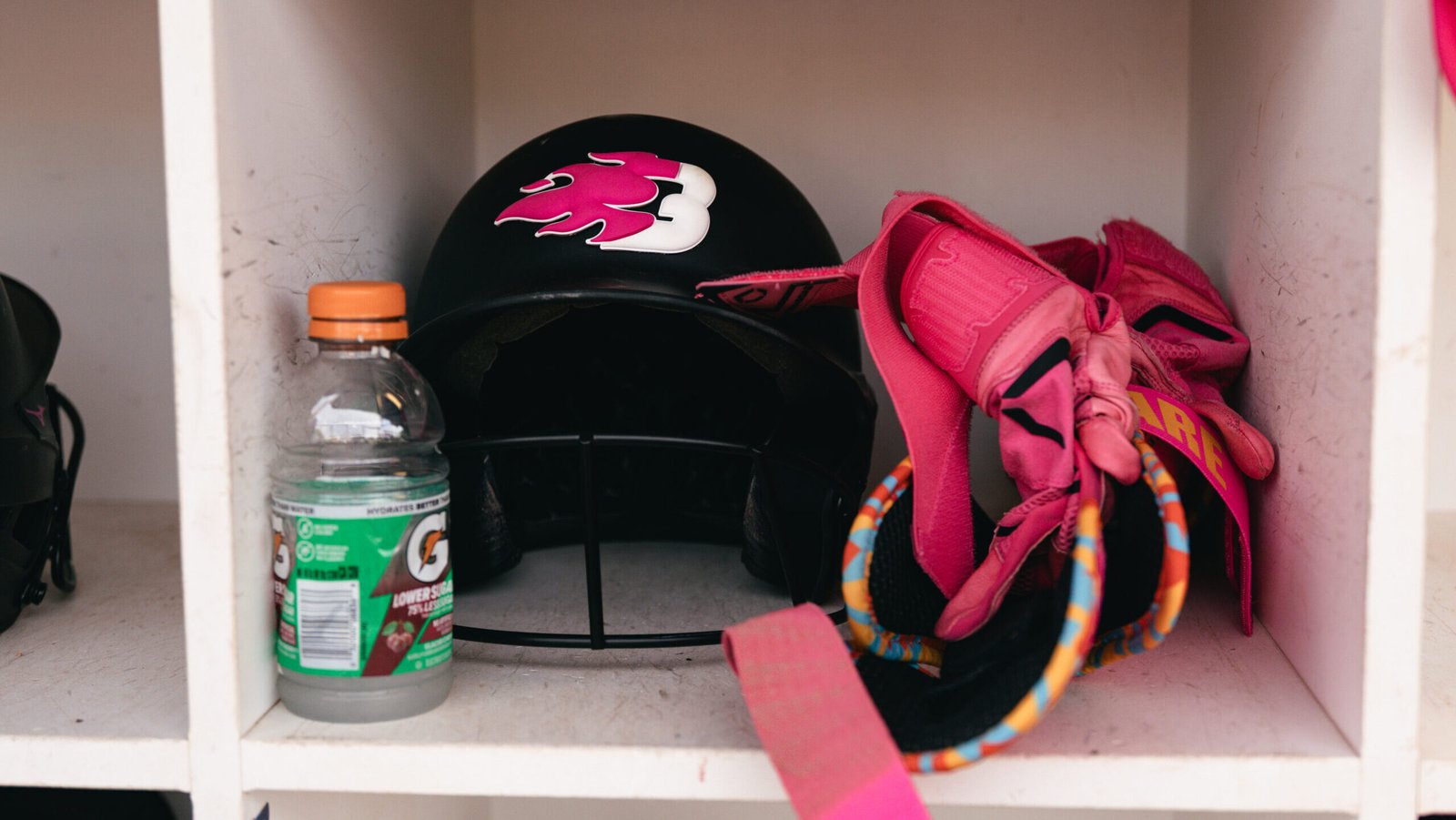
That question will be answered in time, but one team that is looking to find a way to turn close losses into wins is the Carolina Blaze. The Blaze finished next to last in the league with a 9-16 record, after coming into the month of July 7-5. With a July record of 2-11, the Blaze lost seven of those 11 by one or two runs.
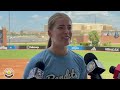
At the end, Blaze general manager Dana Sorensen spoke on the thin margins of error. Carolina made improvements from the season before, even posting numbers in some categories that matched or edged teams that reached College Station. So, what did it all come down to?
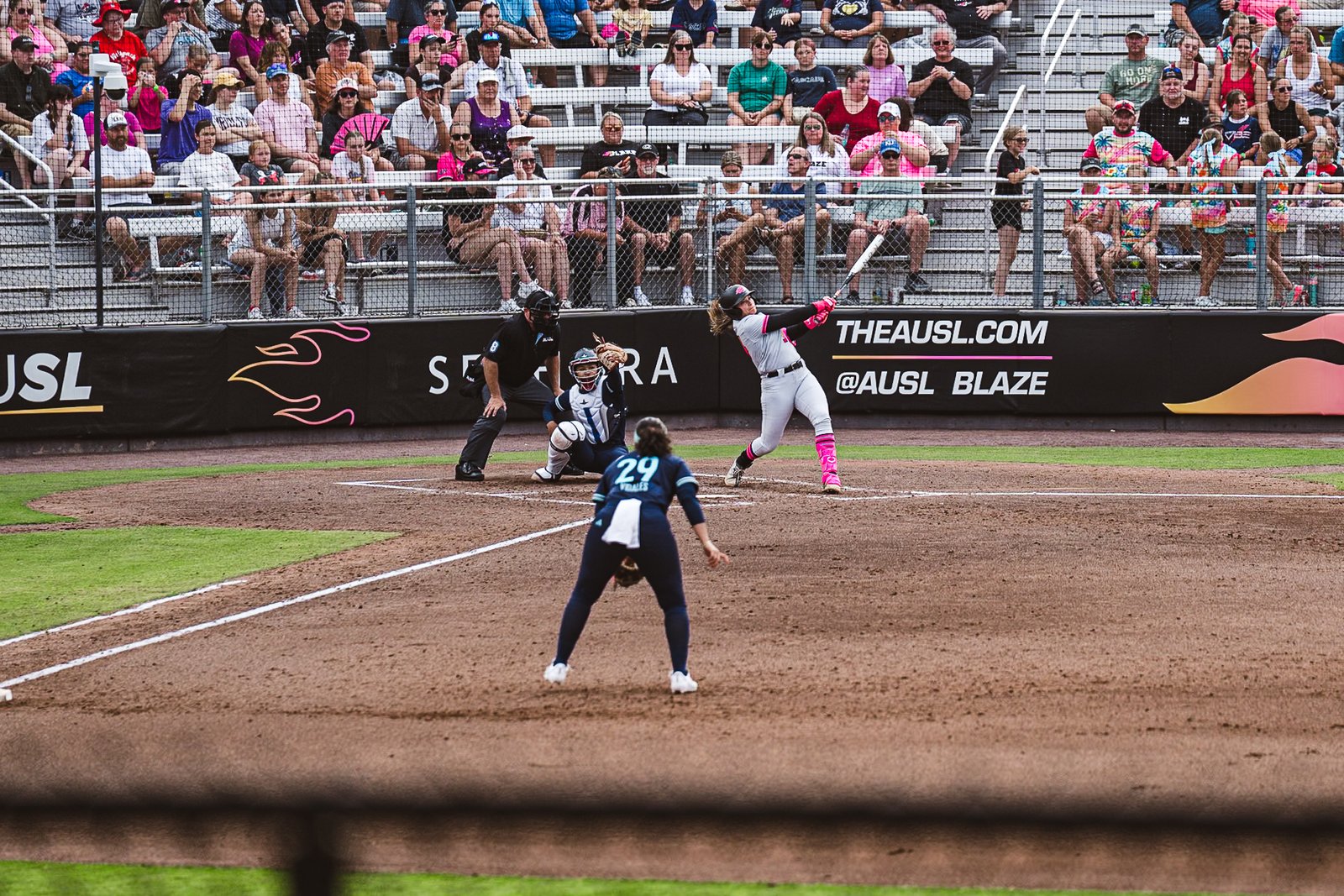
It came down to the innings that were not finished. The Blaze often got runners on, and started hot hitting with runners in scoring position, but that became a tough task as the season went on.
Carolina was not far off from the teams that played into the final week, and in a few places the Blaze were the better club on paper. Look no further than the Portland Cascade. Cascade finished 14-12, after punching a ticket to College Station and nearly making it to the championship series. Yet Carolina outproduced them at the plate almost across the board, batting .262 to Cascade’s .236, slugging .433 to .404 and posting a .777 OPS against a .729 mark.
The Blaze hit 27 home runs to Cascade’s 24 and drove in 101 runs to 98, and the two scored within a run of each other on the season, 109 to 110. In the circle they were a match, both sitting at a 4.00 team ERA. On paper, Carolina looked like the better team. In the standings, not so much.
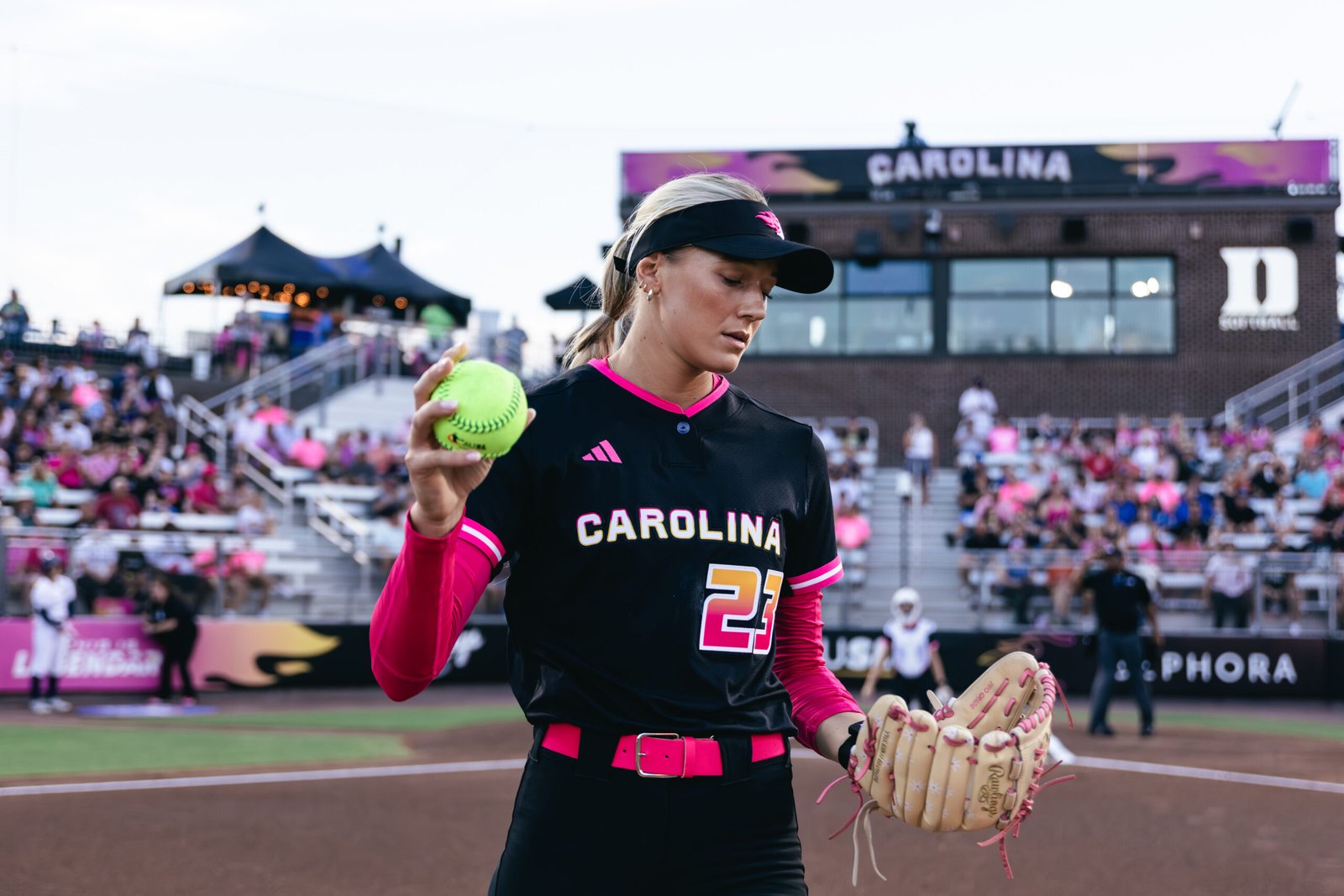
Carolina’s pitching held up its end this year. The Blaze’s ERA ranked third in the league behind only the Talons at 2.55 and the Bandits at 3.55. Rookie Karlyn Pickens anchored the staff, going 4-6 with a 3.13 ERA and 60 strikeouts across 60.1 innings, and Sorensen pointed to the combination of Pickens and Keilani Ricketts as one that gave hitters trouble all year.
“Keilani is a very difficult pitcher to barrel up,” Sorensen said. “And she’s very tough to face, and we thought the Karlyn-Keilani combination was very, very difficult, and it played out that way in a lot of the scenarios.”
Pitching often gave the Blaze time to win ballgames, and those late-game losses were tough ones to hold on to. For Sorensen, it kept coming back to the one swing Carolina could not find.
“We did a lot of really, really, really good things, and a lot of pieces in play, and we just couldn’t figure out how to get the big hit with the bases loaded in a few ballgames that ended up in extra innings,” she said.
Six extra-inning games, five of them losses, and seven July defeats decided by a run or two. The talent was there, but the finish in those games just didn’t match what you’d expect. Walkoff loss after walkoff loss could be chalked up to a lot of bad luck, but that viewpoint will only go so far.
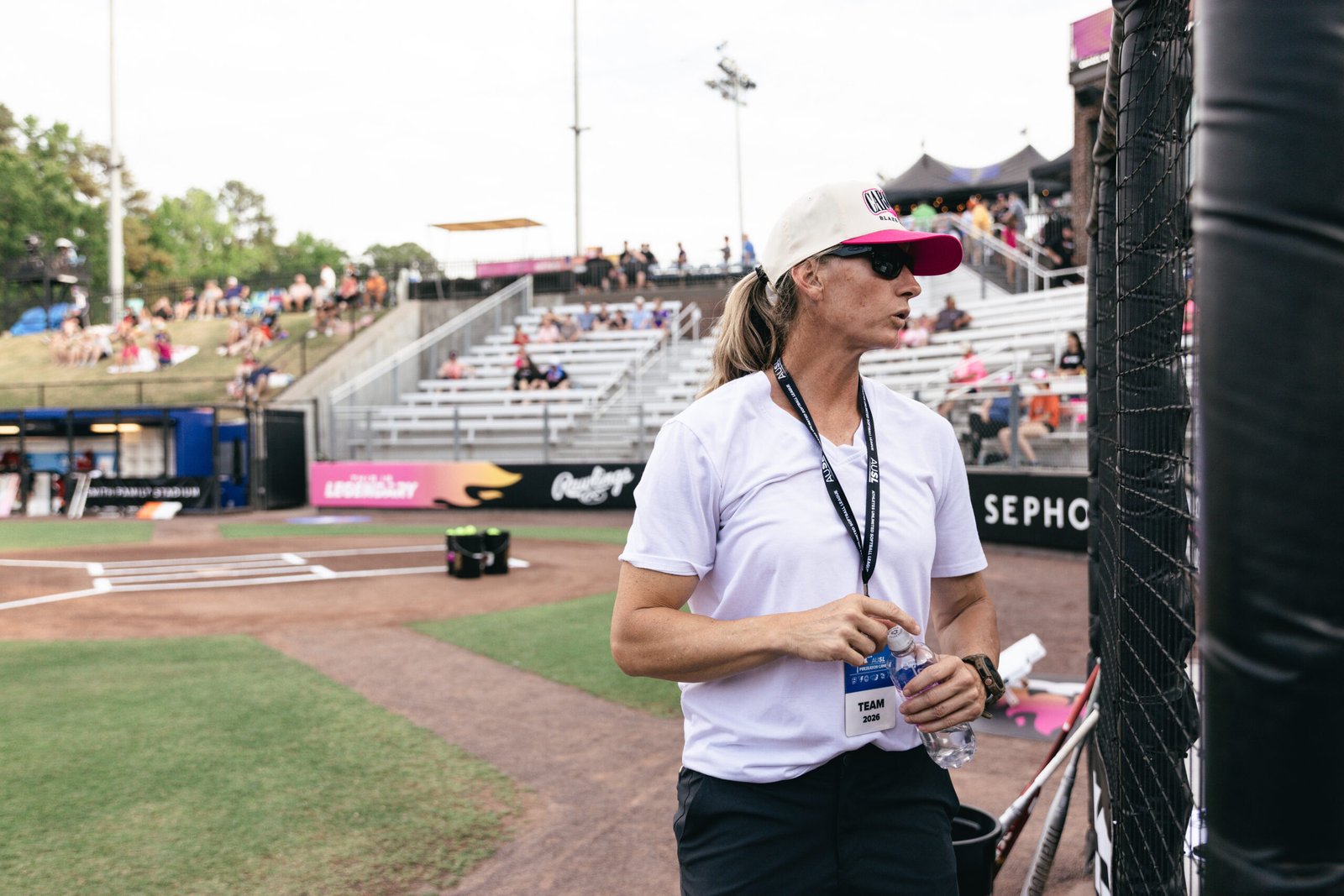
Sorensen also made clear the roster will not be treated as solidified. I asked whether there were moves to be made, given how the season played out. With so many close losses, this was not a bad team.
“If I’m not looking at where I can improve the roster, I’m not doing my job,” Sorensen said. “If Kara’s not looking at where we can improve the roster, she’s not doing her job.” She went on to make clear, “We won’t shy away from change just because we got better.”
Whatever it takes to flip the record and have a shot to play for it all in 2027 is the clear goal. Nobody understands that more than Sorensen and head coach Kara Dill.
That work starts with two spots already open. Valerie Cagle and Jordyn Rudd-Lee are both retired, and Cagle in particular leaves a hole in the middle of the order. In 18 games she hit .348 with a .652 slugging percentage, a 1.027 OPS, 4 home runs and 13 RBIs, production Carolina will have to replace from somewhere.
There is plenty worth building around. AUSL Rookie of the Year Reese Atwood was one of the league’s most productive bats, hitting .309 with a 1.140 OPS, 8 home runs and 25 RBIs across 23 games. Fellow rookie Dakota Kennedy added a .296 average, an .860 OPS, 3 home runs and 21 hits. Ana Gold and Alyssa Brito not only chipped in offensively but held down the left side with solid defensive play.
There were more that produced throughout the season as well, such as Aubrey Leach. She often got on, leading the team with 11 walks drawn and 17 runs scored. Also, Aleshia Ocasio’s two-way presence gave the Blaze everything she could on both sides.
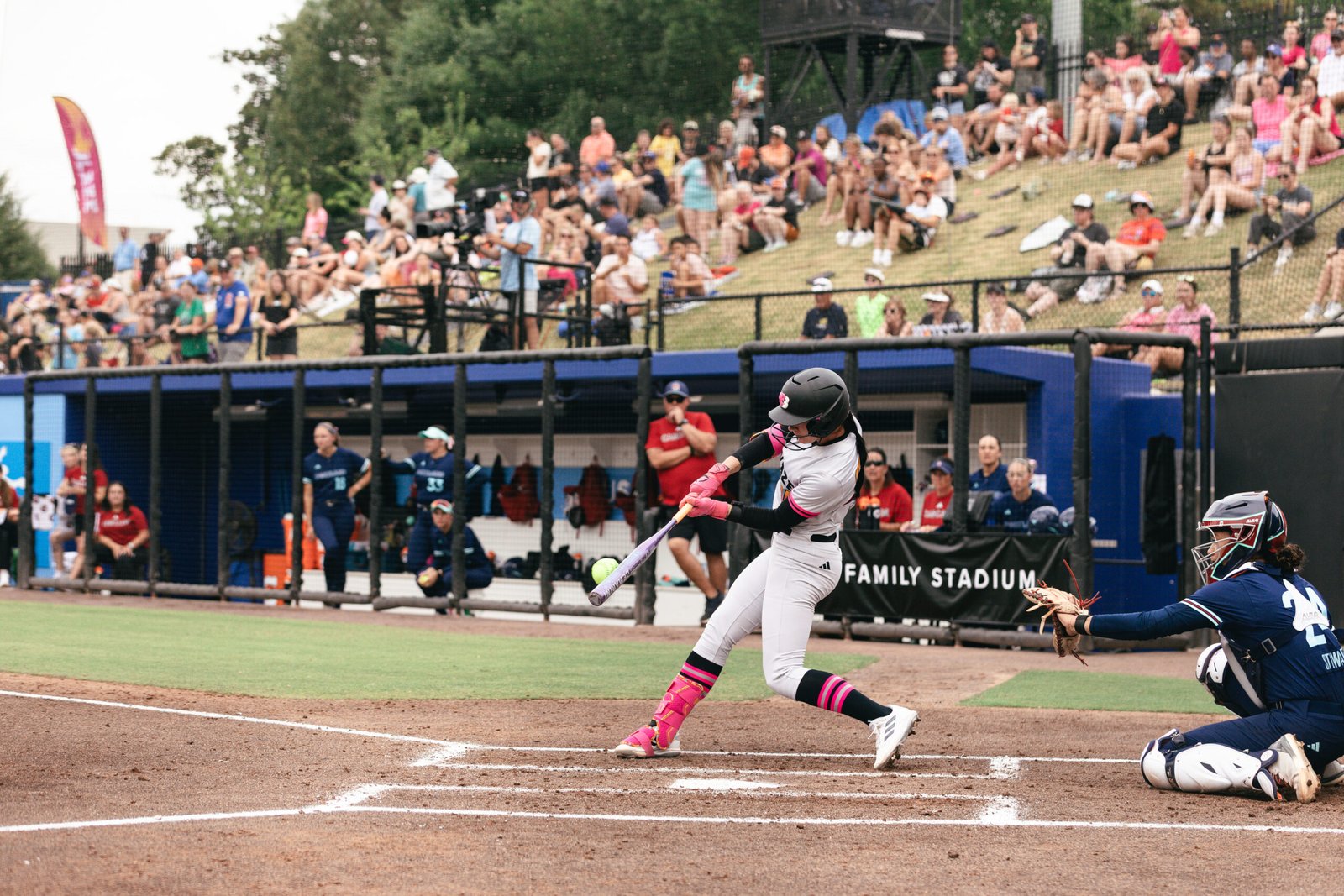
One major piece that missed most of the season should be a factor next year, if healthy. Catcher/utility Kayla Kowalik played just eight games before a lower half injury sidelined her until the final week of the season. That not only caused Atwood to catch every day, but the lineup missed her production. In her limited time Kowalik hit .344 with a .788 OPS, a great average for a team that struggled to string hits together with the bases loaded.
A healthy Kowalik in 2027 gives Dill a second catching option and takes the every-game grind off Atwood, one of the quieter roster questions that could swing a handful of those one-run games the other way. This team has a good core, but the task and focus remain the same.
“At this point, I don’t know exactly what we are going to do, but we will put a winning team on the field, I will tell you that,” Sorensen said. “We will put a team that turns in a winning record and is in the championship, and that will remain our number one focus in the offseason.”
The roster that closed 2026 was good enough to hang with the rest. If Carolina can find the two or three swings a night that went the other way next summer, the Blaze will not be a next-to-last product in the 2027 chase. They will be in it.