

Catching up with Ryann Presswood
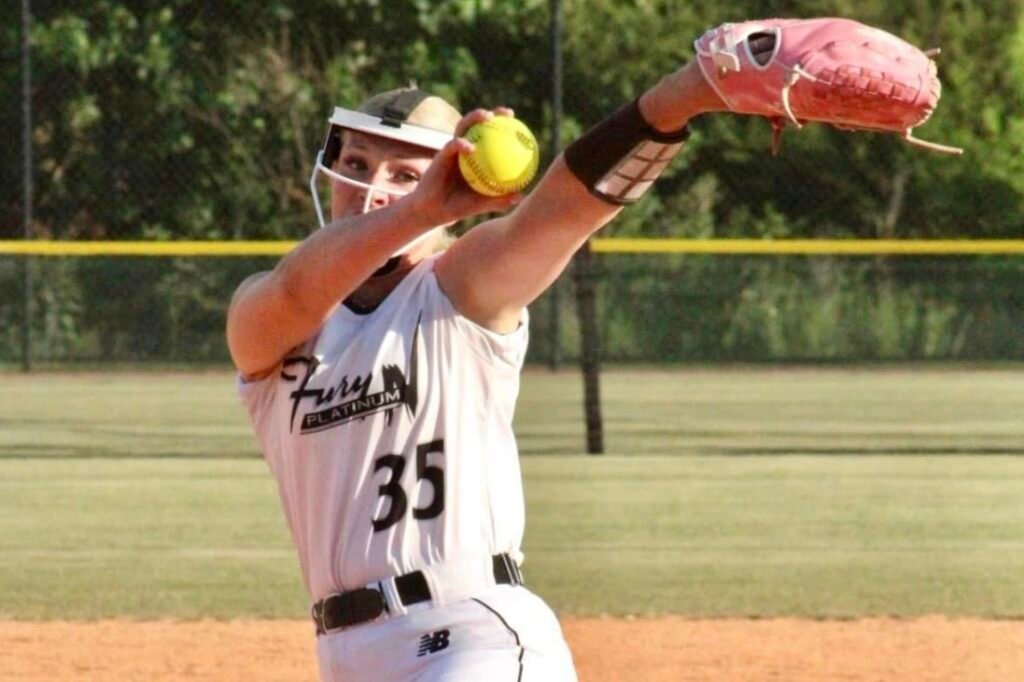
RHP | D1 Transfer | 3 yrs eligibility
— Ryann Presswood (@RyannPresswood) May 8, 2026
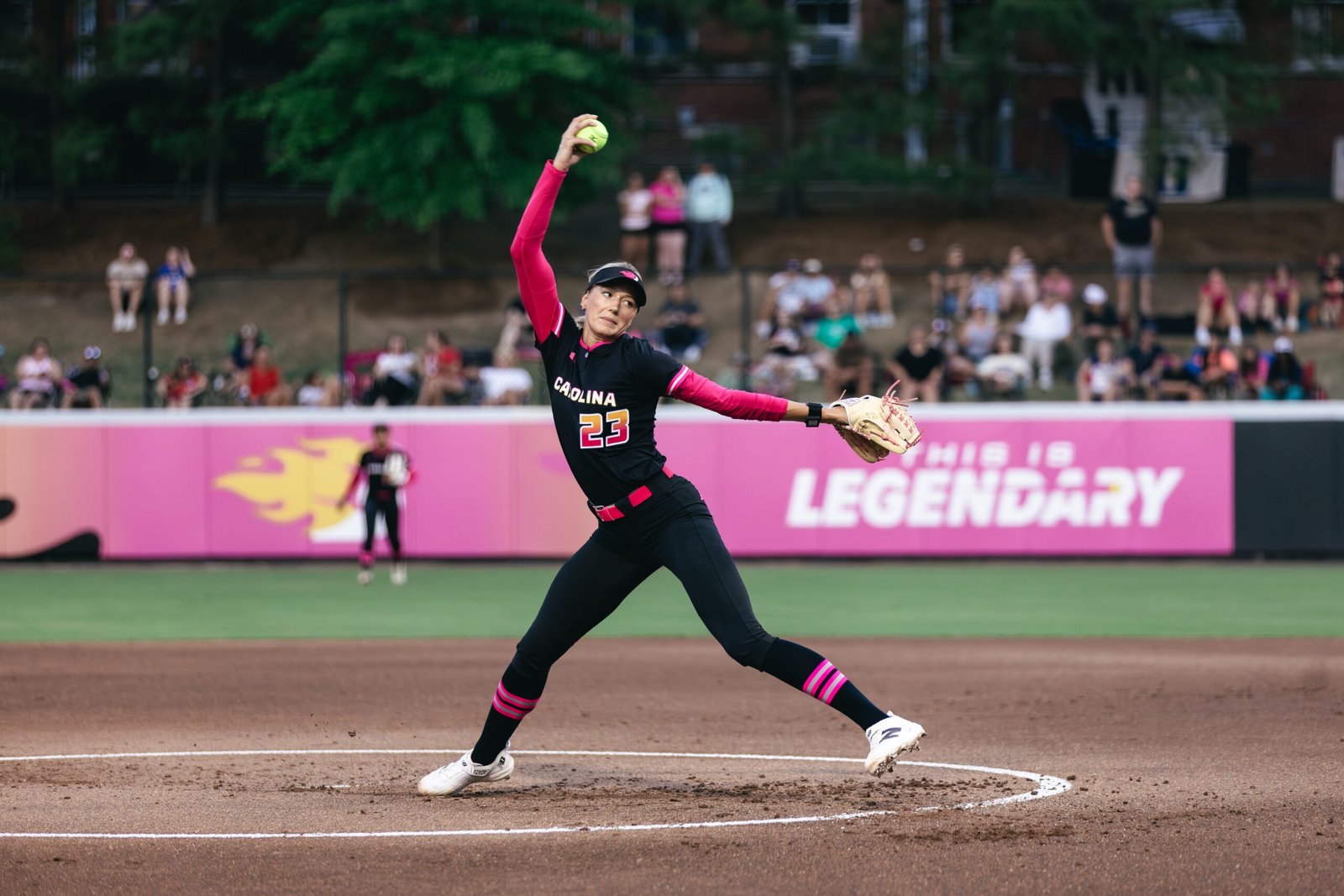
Strong down-ball and off speed @SoftballPortal @D1portal @TOP_D1RECRUITS pic.twitter.com/6qVa5v6NDW
When many people hear the word softball, they think of which is the best team in the game, the road to Oklahoma City in Division I college, or how they can’t wait to witness another summer of the Athletes Unlimited Softball League.
What gets overlooked is the lessons learned by the players who actually live in it. Softball is more than a sport. It is more than entertainment. For Ryann Presswood, it is a lifelong passion that has taught her plenty along the way.
Presswood, from Cleveland, Tenn., who goes by Boogs, has spent more time on a softball field than most people her age have spent doing much of anything else. She picked up the game at two years old, courtesy of her mom putting her into a little boys t-ball program, and she has not stopped since.
After four years at Walker Valley High School and a freshman season at UTEP, Presswood is now in the transfer portal, looking for her next home. But what stood out in our conversation was not the resume. It was the perspective. The kind of perspective you only get from a player who has been in the game long enough to learn what matters and what does not.
Walker Valley roots
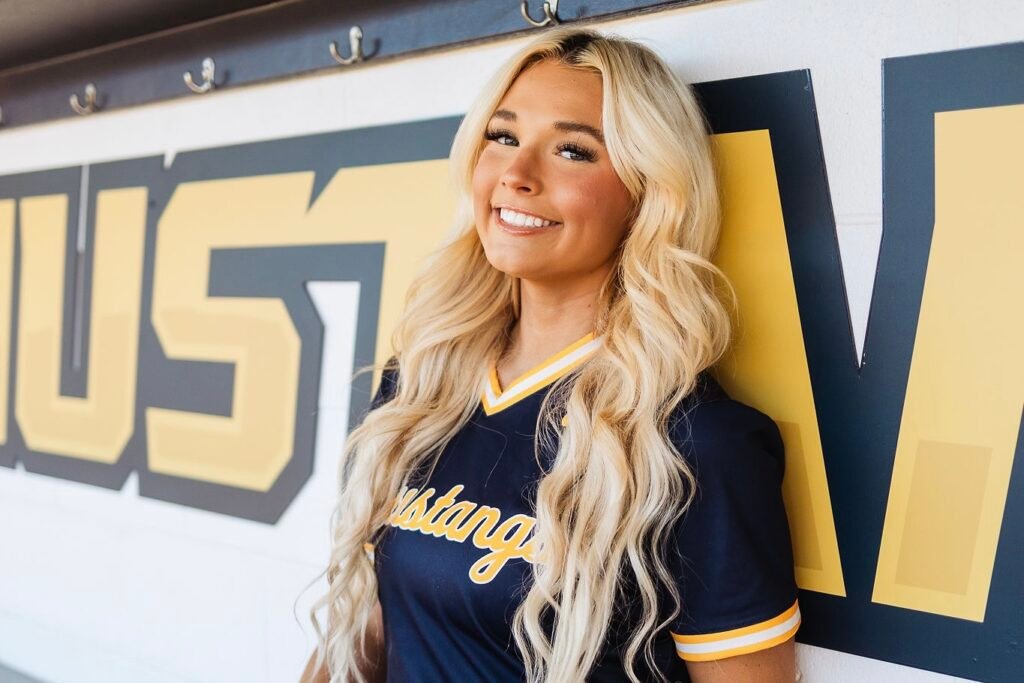
Presswood is a product of Walker Valley, a program in Cleveland that has built a reputation for producing athletes and pushing them in ways that stick. For her, the coaching staff was the foundation.
“All the coaches are pretty good,” Presswood said. “I loved my high school coaches. They really motivate you. They always push you to be better than what you think you can be.”
Lauren Limburg and April Richards did more than draw up game plans for her. They handed her the ball and trusted her with it.
“They motivated me in every single way possible,” Presswood said. “They always gave me the ball. They trusted me no matter what, and I appreciate that so much.”
That trust is something every pitcher remembers. The ball in your hand, the circle under your feet, and a coach in the dugout who believes you belong there.
The lesson in asking questions
Presswood committed to UTEP her junior year of high school. Looking back, she will tell you straight up that she was not ready for what committing actually meant.
“I committed my junior year,” Presswood said. “So I just think I was young and I didn’t have my questions ready. I even remember on my calls with my coaches, I didn’t really ask any questions.
“I would get off the calls and my mom would tell me, you didn’t ask any questions. Why did you do that? And I was like, well, they were telling me everything I needed to hear, so why would I ask any more questions than that?”
That right there is the part of recruiting nobody really talks about until it is too late. The pitch sounds good. The visit feels good, and often the important questions get skipped.
Presswood is not bitter about UTEP. She is clear that it was a great program. It just was not the fit she needed. And the lesson she walked away with is one every recruit should hear.
“Going into my next school, I know what questions to ask and look more into the culture,” Presswood said. “And how many kids have transferred in and out of that school, because that will tell you a lot about the program. And seeing how they are developing their kids that come out of that program.”
The right questions, asked at the right time, can save a player a year of her career and a whole lot of doubt.

A pitcher who trusts spin over speed
Presswood is a pitcher only, and she is the kind of pitcher who has figured out something a lot of young arms are still chasing. The radar gun is not the answer.
“I work down ball off speed,” Presswood said. “I consider it a low curve. My changeup is my best pitch. It’s my favorite to throw. I’ll throw it in any situation.”
She keeps the ball low, and makes hitters work.
“I think spin is a lot more crucial than any speed,” Presswood said. “You can time up speed by the third inning. But with spin, you don’t know what’s coming. I’ll take spin over speed any day.”
That is an important lesson she wants the next generation of pitchers to hear.
“I’ve never been the fastest pitcher ever,” Presswood said. “I’m not slow, but I’ve never been super fast. It took me a while to realize, oh wait, I don’t need speed. If you stop focusing so much on how hard you’re throwing and you focus more on your spin, you’ll get a lot more ground outs than strikeouts.”
She also knows the chess match that comes with going through a lineup more than once.
“You can definitely see whenever hitters are starting to pick up on your ball movement,” Presswood said. “You can see in their stance. Their stance will change. If you’re throwing an outside ball, they’ll start to have a more closed stance, so they can reach the outside corner. In that situation, what I would do is I would throw it heavy on their hands. So what they think they’re expecting, they don’t get.”
Presswood is a pitcher who thinks the game while she is in the circle, and recognizes when she should change her approach.
What she wants next
When Presswood talks about what she is looking for in her next program, she does not lead with conference, weather, or facilities. She leads with people.
“I really am looking for a family aspect,” Presswood said. “I want a good culture, where all the girls lean on each other. Maybe it’s a team that looks at me as a person first instead of just another person on a roster. That’s what I’m looking for.”
She also is not naive about how those words get used in recruiting. Family. Culture. Everybody says it. Not everybody lives it.
“I just think that the word family is thrown around a lot,” Presswood said. “People are like, you’re on a team, that’s your family. Okay, well, if my teammates are sitting there in the locker room talking some type of way about another person, is that your family? You can’t sit here and say that’s your family, and you preach this, this, and this, but then you turn around and that’s how you act.”
She has a way of cutting right to the point here. Many use the terms but in what way?
“I think people put family and culture in one,” Presswood said. “So like, we have a family culture. Like, I’m sure you do, but what kind of family do you have?”
That is the question every recruit should be asking. Not whether the program calls itself a family, but what kind of family it actually is.
At Walker Valley, she was taught a motto that has stuck with her.
“My high school program always preached, we over me,” Presswood said. “So you always put the team first over yourself. That’s just the way I’ve always been taught. What’s best for the team?”
The coach who brought the love back
Travel ball has become its own conversation in the softball world. The schedules, the cost, the year-round grind. For Presswood, who started playing at two years old, the travel circuit was not always a place she loved.
“I didn’t love it for a long time,” Presswood said. “I had a really bad travel ball coach. Actually, I had a couple really bad travel coaches who made me hate the game. It was daddy ball. I hated it. I dreaded going to practice every week.”
Then her sophomore year, around the time recruiting started picking up, she made a switch. Her new coach was Michael Liter, out of Indiana with a team in the same program as Fury Platinum. He changed everything.
“He was a really good coach,” Presswood said. “His daughter plays at Austin Peay. Great family, great people. He brought back my love for softball, which I don’t think I would be where I am today without him, because I did not love it for a very, very, very long time. I missed actually loving what I do, instead of just, it was like a job. It was like a 9 to 5.”
The right coach, at the right time, can save a career. The wrong one can end it before it starts.
Off the field
Take softball out of the picture, and there is still a whole lot to Ryann Presswood. She is a multimedia journalism major with her sights set on sports broadcasting, a path she has had her eyes on for as long as she can remember.
“I’ve always been a talker,” Presswood said. “And not to sound like any tough way, but I love being on TV. I’ve grown up around sports. I’ve always been around sports, so I wanted a job that’s surrounded by sports.”
She also has a whole separate world she is working toward. Beauty.
“I love pink,” Presswood said. “I love all things beauty. When I finish college and I get my degree, I want to go into aesthetician school, cosmetology school. I love everything beauty. I love my cat. I love him so dearly. That’s my baby. I’m just like all things pretty. I like hair extensions and things like that. That’s me.”
The plan is to fit cosmetology school in during her junior and senior years of college, so when she finishes her degree, she can step right into that world. It is the kind of plan that tells you what kind of person she is. She is thinking ahead, building options, and realizes that one day this game will end for her.
The road ahead
Wherever Presswood ends up next, she is bringing more than three years of eligibility and a changeup she can throw in any count. She is equipped with tools learned from the lessons of a player who first picked up the ball when she was old enough to walk, who has loved it, hated it, and found her way back to loving it.
She is bringing the perspective of someone who knows what questions to ask, the standards of a player who has decided what kind of culture she will commit to, and a goal that has nothing to do with a strikeout total or an ERA. She wants to be in a place that sees her as a person first.
That is the kind of standard the game needs more of. For Boogs, the next chapter is about more than finding a roster spot. It is about finding the right one.